Don't Just Live
Live Younger.
Five anti-aging peptides targeting five distinct molecular hallmarks of aging. The most comprehensive longevity protocol available outside of a clinical trial.
These are clinically studied compounds with peer-reviewed evidence targeting the actual molecular mechanisms of biological aging.
5 Hallmarks of Aging. 5 Targeted Peptides.
Aging is not one process — it's a cascade of simultaneous molecular failures. Each peptide targets a different root cause.
Telomere Shortening
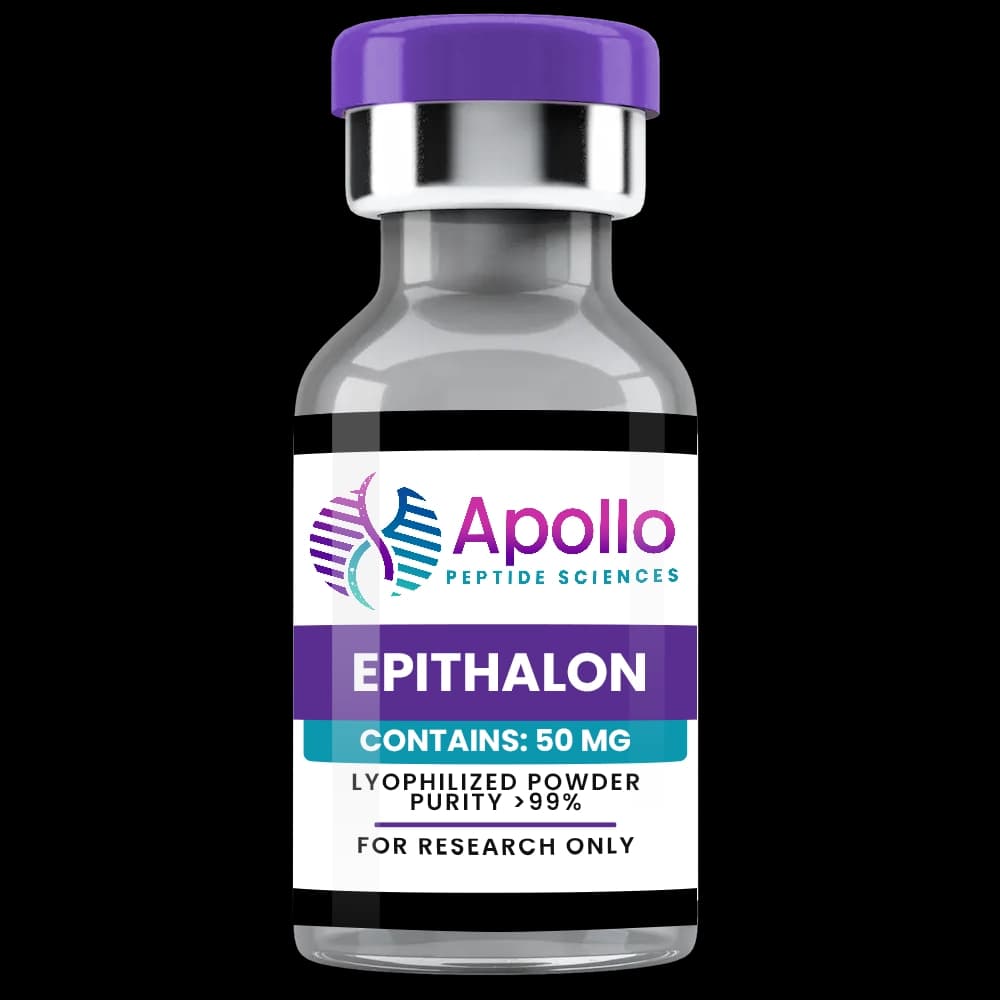
Telomeres — the protective caps on chromosomes — shorten with every cell division. Epithalon activates telomerase, the enzyme that rebuilds telomeres, slowing and partially reversing cellular aging.
Epigenetic Drift
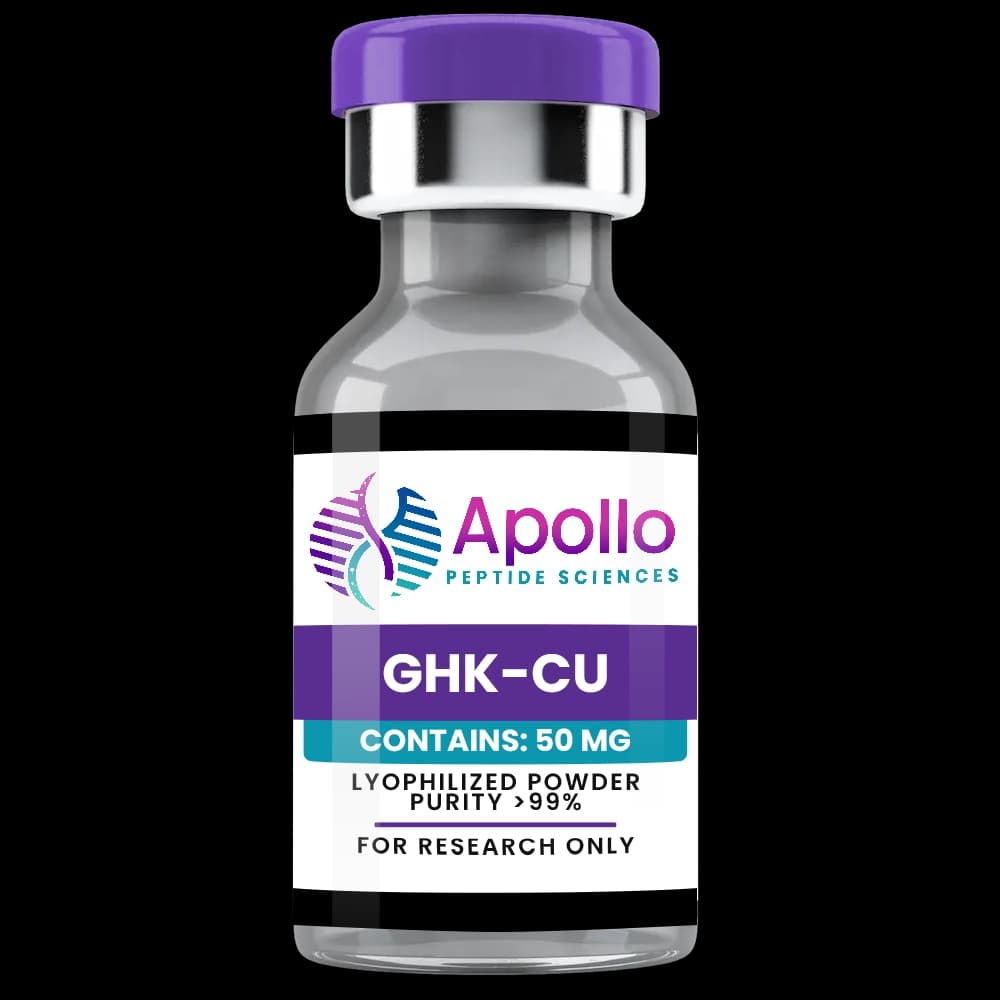
As cells age, gene expression drifts — pro-inflammatory, pro-fibrotic patterns dominate. GHK-Cu resets 31% of aged genes back toward youthful expression patterns in tissue culture models.
Mitochondrial Decline
Mitochondrial inner membrane integrity declines with age, reducing ATP production by up to 50% in aging tissues. SS-31 stabilizes cardiolipin — the key lipid in the inner membrane — restoring electron transport chain efficiency.
NAD+ Depletion
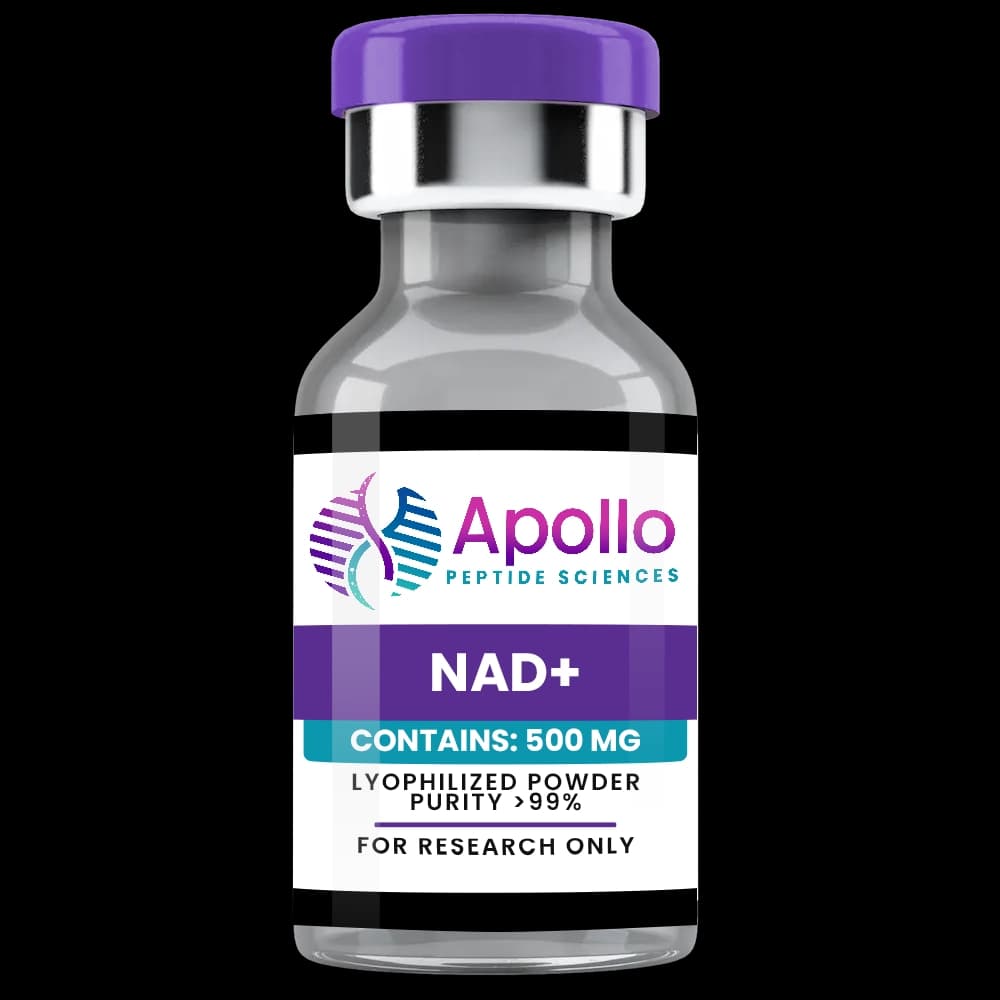
NAD+ levels decline 50%+ from age 20 to 60. This essential coenzyme powers SIRT1/3 (sirtuins), PARP DNA repair, and cellular energy metabolism. Direct IV/injection NAD+ bypasses gut absorption limits of NMN/NR.
Collagen Matrix Breakdown
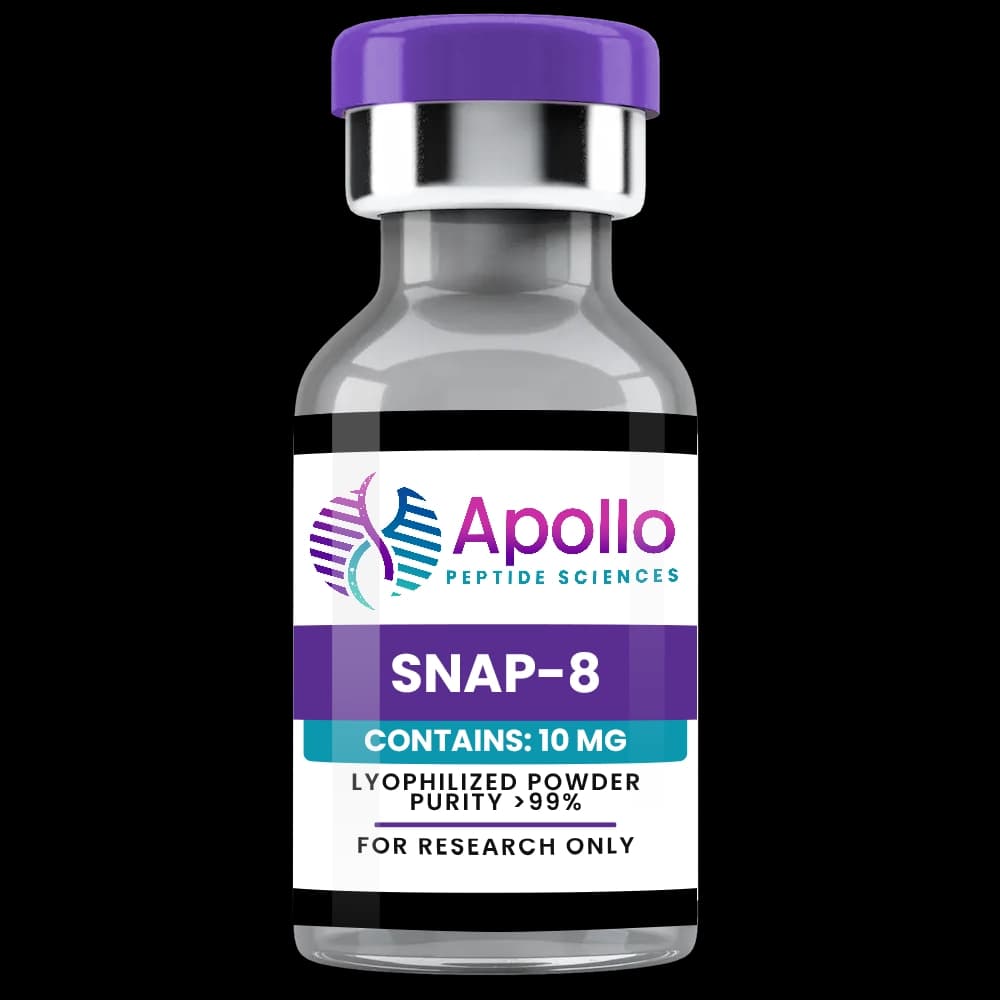
SNAP-8 (acetyl octapeptide-3) inhibits catecholamine release at the neuromuscular junction — reducing muscle contractions that form expression lines while stimulating dermal collagen synthesis.
A Multi-Target
Longevity Protocol
No single intervention can address all hallmarks of aging simultaneously. The anti-aging stack combines five clinically studied compounds that work on complementary mechanisms — targeting aging at the genetic, epigenetic, mitochondrial, cellular, and structural levels.
This is not anti-aging cosmetics. This is molecular biology — the same mechanisms studied by leading longevity researchers at Harvard, Stanford, and the Buck Institute.
Expected Outcomes by Biomarker
Based on peer-reviewed literature and documented research findings for each peptide.
| Biomarker / Outcome | Untreated Aging | With Protocol | Key Peptide |
|---|---|---|---|
| Biological Age Score | Chronological + lifestyle damage | Can reduce 5–15 years on epigenetic clocks | Epithalon + GHK-Cu |
| Mitochondrial ATP Output | Declining ~1–2%/year post-30 | Restored toward youthful function | SS-31 + NAD+ |
| Skin Collagen Density | Reducing with each decade | Increases with GHK-Cu within weeks | GHK-Cu + SNAP-8 |
| Telomere Length | Shortens 50–200bp per year naturally | Slowed/arrested + partial regrowth | Epithalon |
| Expression Line Depth | Deepens with repeated muscle movement | 63% reduction in 28-day trial | SNAP-8 |
| Energy & Fatigue | Increasing fatigue due to mito decline | Measurable improvement in 2–4 weeks | NAD+ + SS-31 |
*Based on peer-reviewed animal and human studies. Individual results vary.
The Science Timeline
Three decades of longevity peptide research leading to today's protocols.
Epithalon synthesized by Prof. Vladimir Khavinson at St. Petersburg Gerontology Institute — first telomerase-activating peptide
Loren Pickart publishes landmark GHK-Cu study showing 4,000+ gene modulation in human fibroblasts
Szeto-Schiller peptides (SS-31) developed — cardiolipin-targeting compounds restore mitochondrial function in aging cells
David Sinclair (Harvard) identifies NAD+ / sirtuin axis as fundamental longevity pathway — catalyzes NMN/NAD research wave
Epithalon 12-year human trial published — 28% mortality reduction in treated group vs. placebo
SS-31 enters Phase II clinical trials for heart failure (Stealth BioTherapeutics) — mito repair moves from lab to clinic
GHK-Cu enters wound healing and skin aging clinical trials — clinical validation of 4,000+ gene modulation claim
Multi-target longevity protocols combining telomere, mitochondrial, and epigenetic approaches become standard research focus
Anti-Aging Peptides
Epithalon, GHK-Cu, SS-31, NAD+, and SNAP-8 — the complete longevity stack
 Anti-Aging
GHK-Cu
Copper Peptide That Resets Your Genes
GHK-Cu (Copper Peptide) reverses the gene expression of 31% of aged genes, rebuilds collagen, and activates cellular cleanup — the master anti-aging signal.
 Anti-Aging
Epithalon
Telomere Extension & Longevity Master
Epithalon is the only known compound to stimulate telomerase and lengthen telomeres — with a 28% mortality reduction shown in a 12-year human clinical trial.
 Anti-Aging
NAD+ 500mg
Cellular Energy & Longevity Cofactor
NAD+ is the master cellular energy molecule that declines 50% by age 50 — supplementation restores sirtuin activity, DNA repair, and mitochondrial function.
 Anti-Aging
SNAP-8
Botox-Alternative Wrinkle Peptide
SNAP-8 is a peptide that inhibits neuromuscular transmission to reduce expression wrinkles — a non-injection alternative to Botox with clinical efficacy data.
Why Start a Longevity Protocol Now?
The Compounding Problem
Telomere shortening, mitochondrial decline, and epigenetic drift are cumulative processes. Each year of delay means more cellular damage to reverse. The optimal time to start is before the decline accelerates — typically in your 30s, though benefits are documented at any age.
The Evidence Window
Epithalon's 12-year trial is the longest published longevity peptide study to date. The 28% mortality reduction compounds over time — you cannot retroactively apply years of telomerase activation. The research window is now, not later.